
The Role of Churches in Recovery
Churches do not need to become treatment centres to matter in recovery. They can be places where truth is spoken, shame is challenged, families are supported, and people are pointed toward wise help.

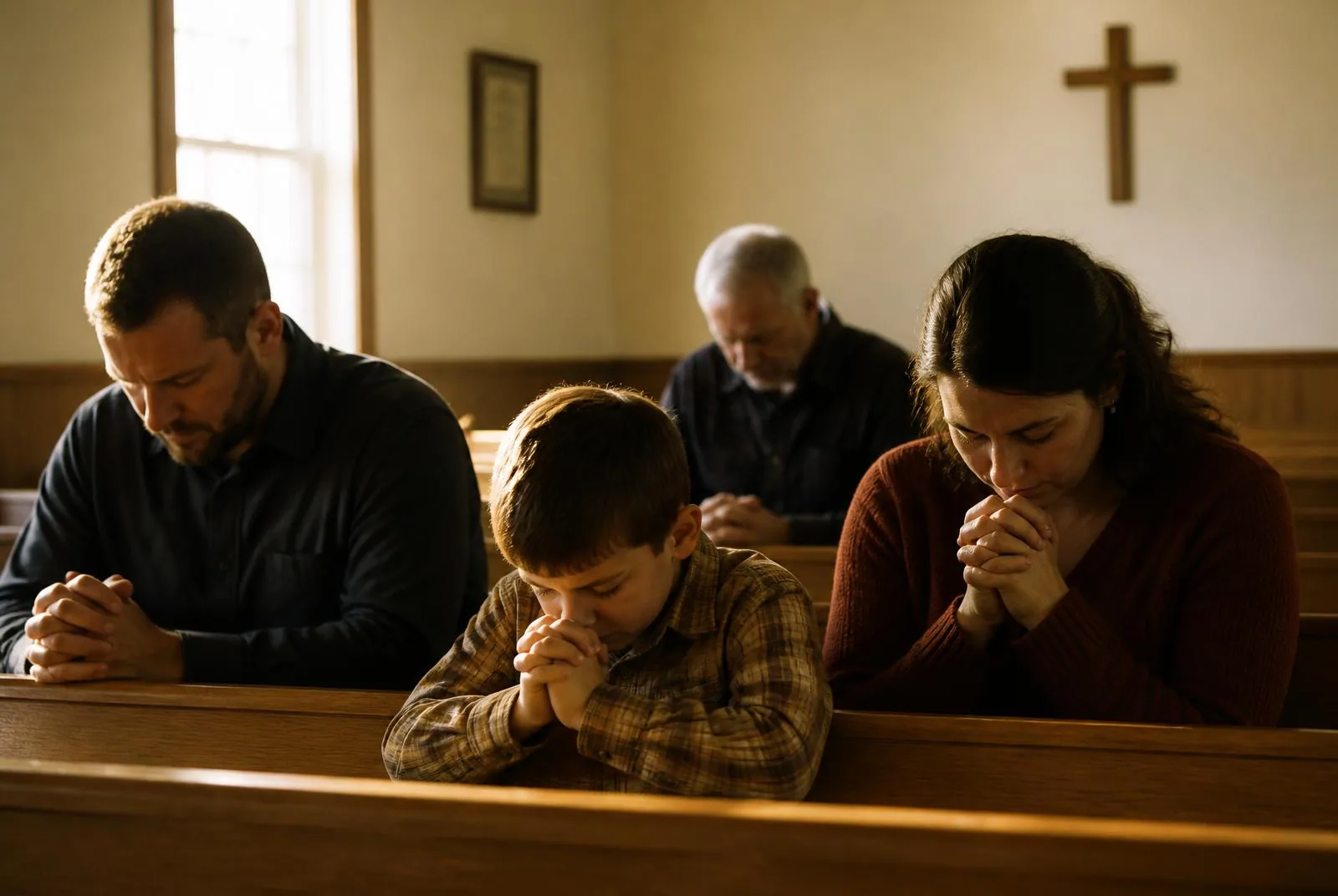
Churches have an important role to play in recovery. Addiction, trauma, shame, and life-controlling struggles do not only belong in treatment centres, counselling offices, or crisis services. They are present in pews, families, small groups, youth rooms, prayer meetings, and communities. Many people who are struggling are already connected to a church in some way, or their families are. Others may have been away from church for years, but still carry questions about God, hope, forgiveness, and whether they could ever be welcomed again.
Because of this, churches are often closer to the pain than they realize. A pastor may be the first person a family calls when they are afraid. A small group leader may notice someone withdrawing. A congregation may quietly include parents who are carrying deep grief over an adult child's addiction. A church may have women sitting in the service who are hiding shame, substance use, trauma, or fear behind a smile.
This does not mean churches need to become professional treatment facilities. It does not mean pastors need to carry every crisis alone. It does not mean church members should try to offer care beyond their wisdom, training, or capacity. But it does mean the church has a meaningful place in the recovery journey. The church can be a place where truth is spoken, shame is challenged, prayer is offered, families are supported, and people are pointed toward wise help.
One of the first roles churches can play is creating an atmosphere where people know they can ask for help. Shame keeps many people silent. Someone may believe that if people knew the truth, they would be rejected, judged, or treated differently forever. Families may also stay silent because they feel embarrassed or afraid of what others will think. When a church speaks about brokenness with honesty and compassion, it helps make room for people to come into the light.
This does not require a church to lower its convictions. Truth and compassion are not opposites. A church can clearly name sin, addiction, destructive choices, and the need for repentance while also making it clear that Jesus receives the weary, the broken, the ashamed, and the desperate. The gospel is not good news only for people who already look healed. It is good news for sinners in need of grace.
Churches also have a role in reminding people of their identity in Christ. Addiction often gives people a name. It calls them hopeless, dirty, weak, unwanted, or beyond repair. Trauma may tell them they are damaged. Shame may tell them they are only their worst moment. The church has the privilege of speaking a truer word: you are made in the image of God, you are not beyond His reach, and in Christ there is forgiveness, restoration, and a new way forward.
This message matters deeply. Recovery is not only about stopping a behaviour. It is also about learning to live from the truth of who God says we are. A church that faithfully teaches Scripture, practices grace, and disciples people in truth can help replace lies with the Word of God. Over time, that kind of truth can become a foundation for healing.
Another role churches can play is supporting families. Addiction often leaves loved ones exhausted. Parents, spouses, siblings, children, and friends may carry fear, guilt, anger, grief, and confusion. They may not know the difference between helping and enabling. They may feel pressure to fix the person. They may wonder whether setting boundaries is unloving. They may need pastoral care, prayer, counsel, and practical support.
Churches can help families remember that love does not require denial. They can encourage boundaries that are wise and compassionate. They can remind families that they are not responsible to become someone else's saviour. They can help loved ones keep hope rooted in Christ rather than in their ability to control the outcome.
Prayer is another essential role of the church. Recovery is spiritual work as well as practical work. People need wisdom, courage, conviction, healing, protection, endurance, and grace. Families need strength. Staff and counsellors need discernment. Churches can carry this work in prayer, both publicly and privately. Prayer is not a small contribution. It is one of the ways the body of Christ participates in the burdens of others.
> Galatians 6:2 says, "Carry each other's burdens, and in this way you will fulfill the law of Christ."
Churches are called to be burden-bearing communities. That does not mean carrying what belongs to God alone, and it does not mean removing every consequence from someone's choices. But it does mean refusing to let people suffer in isolation when the body of Christ is called to love.
Churches can also help by knowing when to refer. Some situations require specialized care, safety planning, medical attention, counselling, residential support, or addiction recovery resources. A wise church does not pretend to have every answer. Instead, it learns what resources are available and helps connect people to appropriate support. This is not a failure of ministry. It is part of faithful care.
For pastors and leaders, having trusted referral pathways can make a significant difference. When someone finally asks for help, the next step matters. A church that knows where to point people can respond with more confidence and less panic. This can help families and individuals move toward support more quickly.
Churches also have a role after formal programs end. The transition back into daily life can be difficult. A woman may leave a structured recovery environment and return to a community where old patterns, relationships, stressors, and temptations still exist. She needs ongoing discipleship, safe relationships, encouragement, accountability, and a place to belong. The church can be part of that support network.
This must be done wisely. Not every person in recovery should be rushed into public testimony, ministry roles, or intense expectations. Sometimes the most faithful support is quiet, consistent, and patient. It may look like friendship, prayer, transportation, meals, mentoring, Bible study, or helping someone build healthy routines. It may also involve respecting boundaries and protecting privacy.
Churches should be careful not to treat recovery stories as entertainment. Testimonies can be powerful, but people are not stories to be used. They are image-bearers to be loved. A person in recovery should be given dignity, time, and the freedom to share only what is appropriate and healthy. The church should celebrate God's work without pressuring people to expose wounds before they are ready.
Churches can also help reduce stigma. Addiction is often misunderstood. People may assume it only affects certain kinds of families or certain kinds of people. But addiction can touch any community. When churches speak about it honestly, they help people realize they are not alone. They also help the congregation learn to respond with wisdom instead of fear or gossip.
A healthy church response includes both compassion and accountability. Compassion says, "You are loved and not beyond hope." Accountability says, "Your choices matter, and healing requires truth." Compassion without accountability can become enabling. Accountability without compassion can become crushing. Jesus shows us a better way, full of grace and truth.
At Choose Life Ministry, we believe churches are a vital part of the recovery landscape. Our residential program can provide structure, teaching, prayer, support, counselling connections, and a safe environment for women to heal. But long-term restoration is strengthened when churches know how to walk with women and families before, during, and after care.
We are grateful for churches that pray, refer, give, encourage, and open doors for ministry. We are grateful for pastors who take late-night calls, families who keep praying, congregations that choose compassion over stigma, and believers who quietly support people through difficult seasons. This kind of faithfulness matters more than many people realize.
The role of the church in recovery is not to have every answer. It is to be faithful to the One who does. The church points people to Jesus, tells the truth in love, carries burdens wisely, offers prayer, supports families, encourages accountability, and helps connect people to care.
Recovery is hard, but no one should have to walk it alone. When churches take their place with humility, wisdom, and compassion, they become part of a beautiful picture of God's restoring work. They help create a community where broken people can hear the truth, receive grace, find support, and believe that healing is possible through Jesus Christ.